

Quick Answer
Secured vestibules improve school safety by creating a controlled buffer between the exterior entrance and the rest of the building. Visitors can enter a designated waiting area, but they cannot move into student or staff spaces until school personnel verify their identity, purpose, and authorization.
When the vestibule is integrated with access control, video surveillance, two-way communication, and intrusion detection, Detroit schools gain a more consistent way to manage visitor entry without relying on an unlocked front door or improvised front-office procedures.
For Detroit-area schools, this approach fits especially well with stronger visitor-management practices already being adopted locally. Detroit Public Schools Community District announced a uniform visitor check-in process in February 2026 that requires school visitors to provide identification, have a photo taken, and receive a visitor badge. Using Secured vestibules in schools can provide the physical checkpoint where that verification occurs before a visitor reaches interior school areas.
- What Are Secured Vestibules?
- Michigan At a Glance: School District Safety Funding, Grants & Uses
- Benefits of Secured Vestibules for Michigan Schools
- How to Optimize & Integrate Your School’s Security Systems With Secured Vestibules
- Planning Secured Vestibules for a Michigan Schools
- Free on-site security assessment for your Michigan or Chicago business
- A Word From the Solutient Security Team
What Are Secured Vestibules?
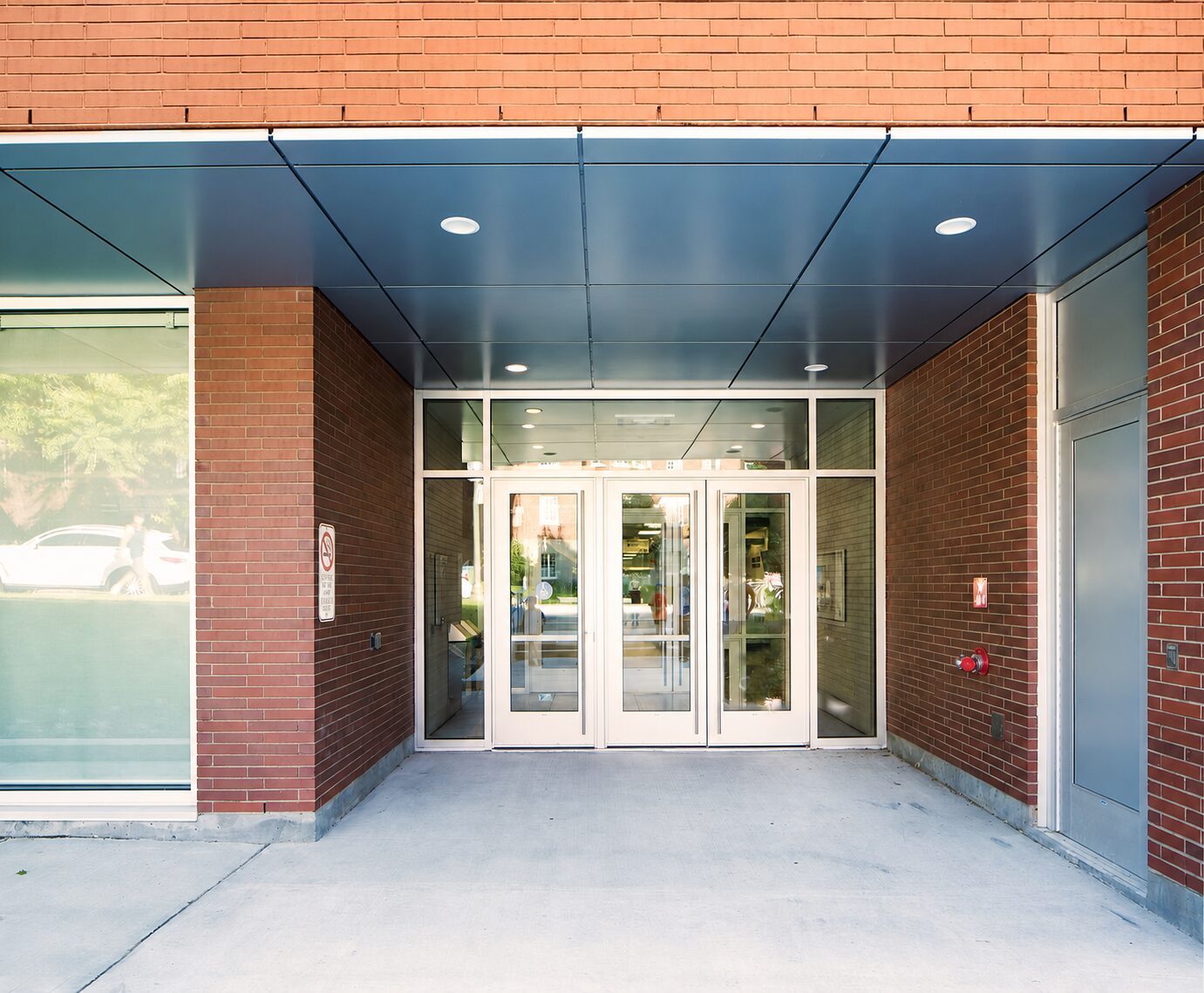
Secured vestibules are a controlled entry space positioned between the outside entrance and the school’s interior. Instead of allowing visitors to move directly into hallways, offices, or other occupied areas, the vestibule creates a deliberate checkpoint where access can be reviewed before the visitor proceeds.
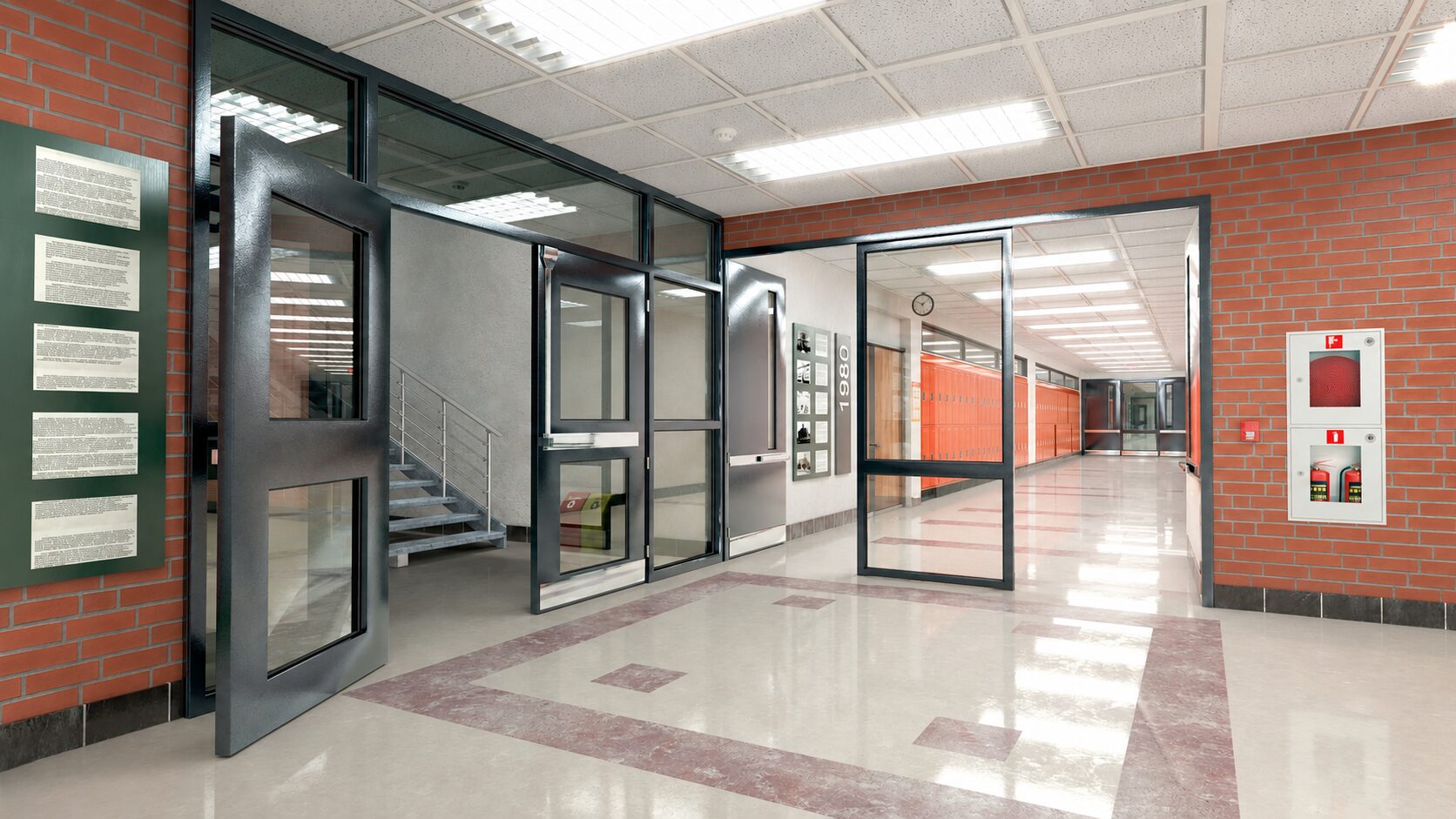
Most school vestibules use an exterior door that allows a visitor into the vestibule and a second interior door that remains locked by default. Staff maintain visibility into the space and use security and visitor-management procedures to determine whether entry should be granted.
Why Do Schools in Michigan Need to Use Secured Vestibules?

- They create two controlled points of entry instead of one direct path into the school.
- They give staff time and physical separation to verify visitors before granting interior access.
- They can integrate access control, cameras, intercoms, door monitoring, and intrusion detection into one entry workflow.
- They can help reduce tailgating and unauthorized entry during busy arrival, dismissal, and event periods.
- They can support existing visitor identification and badge procedures instead of replacing them.
- Michigan school-safety funding guidance for 2025-2026 specifically identifies hardened vestibules as a form of eligible safety infrastructure.

Michigan At a Glance: School District Safety Funding, Grants & Uses
Michigan schools are investing in a secured vestibules and controlled-entry systems through a combination of state school-safety grants, Section 31aa allocations, voter-approved bonds, and local capital funds. In Michigan’s FY2022 Competitive School Safety Grant Program, 14 vestibule projects received a combined $888,910, while the broader program distributed $10 million to 150 grantees statewide. Demand significantly exceeded available funding, with eligible requests totaling more than $34 million.
Michigan’s FY2025-26 Section 31aa guidance continues to identify hardened vestibules as an eligible school-safety infrastructure expense, along with cameras, door blocks, window screening, and buzzer systems. This funding structure allows districts to combine state assistance with local bond revenue and other capital sources when vestibule projects include both construction and security technology.
Why There’s So Much Hype Around Secured Vestibules In Schools
Secured entry points can be used to keep track of students as they arrive and leave, and makes it much more difficult for unauthorized visitors or dangerous, unwelcomed guests to access students, classrooms, teachers and staff.
Additionally, access can be restricted or granted to individuals, unlike the old days when we had to use keys! With employee turnover this is especially helpful. Gone are the days of worrying about a disgruntled former employee making their way into the workplace to cause a scene.
Managing High-Traffic Entry Points
Arrival, Dismissal, Parent Visits, Deliveries & EventsArrival, Dismissal, Parent Visits, Deliveries & Events
Arrival, dismissal, parent visits, deliveries, and school events can create periods when many people are moving through an entrance at once. A controlled vestibule helps preserve the same approval process during busy periods instead of allowing traffic volume to weaken access-control procedures.
Reducing Tailgating & Unapproved Access
Preventing Unauthorized Visitors From Accessing School GroundsReducing Tailgating & Unapproved Access
Tailgating occurs when an unauthorized person follows someone else through a controlled door. A vestibule reduces this risk by creating a second locked boundary. Even if a visitor enters the first door with another person, access to the rest of the school can remain restricted until staff approve it.
Supporting Layered School Security
Leveraging Integrated Security Systems For SchoolsLeveraging Integrated Security Systems For Schools
Vestibules are effective when connected to security technology and staff procedures. Access control, surveillance, alarms, communication systems, visitor-check-in processes, and trained staff each address a different part of the entry-security problem. The vestibule gives layers a common point of control.
Benefits of Secured Vestibules for Michigan Schools
- Benefits of Secured Vestibules for Detroit Schools
- Improved control over who enters student, staff, and administrative areas.
- A clearer and more consistent visitor-verification process.
- Better visibility and communication for front-office personnel.
- Reduced opportunity for unauthorized entry and tailgating.
- Stronger integration between physical security, access control, and visitor-management procedures.
- Additional support for emergency and lockdown procedures when integrated into a broader school safety plan.
How Do Secured Vestibules Enhance the Safety of Students in Michigan Schools?
Adding secured entrances to schools creates a controlled checkpoint between a school’s exterior entrance and interior student areas. Visitors enter through the first set of doors while the second set remains locked until school staff verify identity and approve access. This structure can complement Detroit Public Schools Community District’s district-wide visitor check-in process, introduced in 2026, which requires visitors to provide identification, have a photo taken, and receive a visitor badge before moving through the building.
The vestibule corridor acts as a buffer to give school staff additional time and physical separation to screen visitors before they can reach classrooms, hallways, or other occupied areas. Michigan districts already using this approach include Westwood Community School District in Dearborn Heights, where Thorne Intermediate School uses a two-door secured vestibule to separate visitors from student areas, and Bloomfield Hills Schools, which has installed secure vestibules across multiple schools through its 2020 Bond Program. Bloomfield Hills describes the vestibules as providing both audio and visual support for visitor screening, while newer projects have added secured entrances at Wing Lake Developmental Center and International Academy.
Entrance
Parent or guest enters through first set of doors leading to the vestibule
Verification
Staff confirms the identity of the unknown visitor and directs them to sign in
Access Control
Interior door remains locked until staff grants the visitor access
Permissions
Customize permissions for guests, students and other visitors
How to Optimize & Integrate Your School’s Security Systems With Secured Vestibules
Access Control
Electronic access control allows authorized staff to keep interior doors locked, release them when appropriate, assign permissions, and maintain access records. It gives administrators more deliberate control over who can move beyond the vestibule.
Video Surveillance
Having video surveillance positioned around exterior approaches, the vestibule, and interior entry points can give staff better visibility when evaluating a visitor and can provide documentation if an incident needs to be reviewed.
Two-Way Communication
Intercoms or other communication systems let staff speak with visitors while the interior door remains secured. This gives the front office a way to ask questions and provide instructions before granting entry.
Intrusion Detection and Door Monitoring
Door monitoring and intrusion detection can alert school personnel when a door is forced, propped open, or accessed unexpectedly. These alerts strengthen the vestibule by helping staff recognize attempts to bypass the normal entry process.
Reinforced Doors and Glazing
Depending on a professional risk assessment, some schools may use reinforced doors, impact-resistant glazing, or enhanced locking hardware to increase resistance at the main entrance.
Key Vestibule Components
Access
Control

Video Surveillance

Intercoms

Door Monitoring

✔ Controls visitor entries
✔ Reduces Tailgating
✔ Supports check-in requirements
✔ Improves emergency readiness dangerous or armed intruders
Planning Secured Vestibules for a Michigan Schools
1. Assess the Existing Entrance
Review the main public entrance, secondary doors, visitor traffic patterns, office location, staff sightlines, and current access-control weaknesses.
2. Design for Visibility, Accessibility, and Visitor Flow
The vestibule should give staff clear visibility and control while preserving accessibility and keeping routine school traffic practical.
3. Select Technologies That Work Together With Secured Vestibules
Choose access control, surveillance, communication, door monitoring, and intrusion-detection technology as an integrated system rather than a collection of unrelated devices.
4. Align the Vestibule With Visitor Procedures
The physical design should support the school’s actual identification, check-in, badge, delivery, parent-visit, and after-hours procedures.
5. Train Staff and Maintain the System
Front-office and safety staff need clear procedures for visitor verification and emergency response. Doors, locks, cameras, intercoms, and monitoring systems should also be tested and maintained over time.
6. Hire Trained Professionals To Install, Upgrade or Repair Your Security Systems
When it comes to the safety of students, having the maintenance man install a security system is not an option. Because integrated security systems have so many technicalities, DIY systems will not cut it for schools. Additionally, you need to comply with state, district or local law.
Solucient Security. has partnered with schools and businesses all over Michigan since 1940.
Free on-site security assessment for your Michigan or Chicago business
Solutient serves businesses throughout the state of Michigan, Northwest Ohio, Northeast Indiana, Chicagoland and South Wisconsin.

Assess the Entrance
Evaluate traffic flow, visibility and security gaps.

Design for Visibility
Create a clear line of sight and secure entry points.

Train and Maintain
Educate staff. Keep systems tested and up to date
A Word From the Solutient Security Team
For Michigan schools, a secured vestibule can turn the front entrance into a deliberate security checkpoint without making everyday visitors feel unwelcome. The strongest designs combine the building layout with access control, video, communication, intrusion detection, and clear staff procedures.
Solucient Security has decades of experience with school security and can help administrators identify entry risks, plan practical vestibule upgrades, and integrate the technology needed to support a reliable visitor-entry process. Whether a school is retrofitting an existing entrance or planning broader security improvements, the goal is the same: give staff better control at the point where people enter the building.

FAQ
Do secured vestibules replace staff?
No, it is meant to support staff so that they do not have to monitor the door.
What if I have a vestibule already?
A trained professional can add access control to an existing vestibule.
Does every school entrance need one?
Most schools prioritize the main entrance. You can always add more later!